
At Pride Heart Institute, we combine cutting-edge technology with compassionate care to deliver excellence in cardiac health, community wellness, and lifelong support.

Sangareddy, Telangana 502001
Contact Us
Monday - Sunday
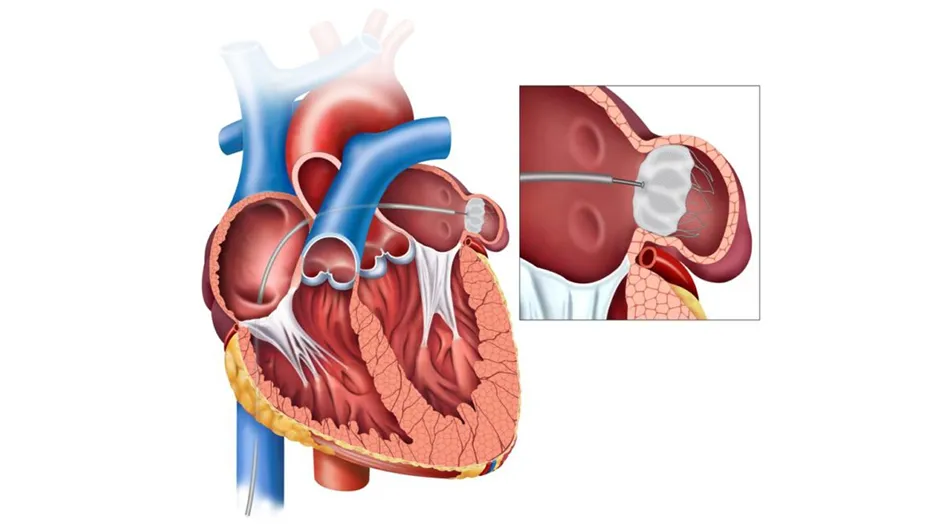
Transcatheter device closure seals holes in the heart’s septum (atrial septal defect or ventricular septal defect) or eliminates a patent ductus arteriosus without open-heart surgery. A tiny umbrella-shaped plug is delivered through a vein, expanded to cover the defect, and locked in place, permanently redirecting blood to its normal path.
Closing congenital heart defects early prevents volume overload, pulmonary hypertension, and arrhythmia while sparing patients the trauma of surgery.
Our structural-heart team unites world-class imaging with deep interventional experience, delivering high success rates and minimal complications.
A streamlined pathway pairs precision imaging with gentle catheter techniques to close the defect and let you or your child return home quickly.
Pride Heart Institute treats every congenital defect as a gateway to a healthier life. From first consultation through annual echoes we deliver clear explanations, family-centered care, and fast intervention so patients of any age can breathe easier, grow stronger, and live without the limits of an untreated heart hole.
Most occluder devices become fully endothelialised within three to six months. During this period aspirin therapy prevents small clots while cells grow over the framework, permanently sealing the defect from the bloodstream.
Current devices are crafted from medical-grade nitinol mesh with a platinum core for visibility, plus a polyester fabric that encourages tissue in-growth. All components are biocompatible, corrosion-resistant, and designed to remain safely in the body for life.
Yes. Nitinol occluders are MRI-conditional up to 3 Tesla. You can undergo standard scans once the puncture site heals, but always inform radiology staff so they can choose appropriate sequences and avoid image artefacts.
Contact us immediately for sudden leg swelling, persistent groin bleeding, worsening shortness of breath, fever over 100.4 °F, or chest discomfort lasting more than a few minutes, as these may signal device- or puncture-site complications.
Most women may consider pregnancy six months after a successful device closure, once follow-up echocardiography confirms stable device position and no residual shunt. Your cardiologist and obstetrician will provide personalised timelines and monitoring plans.