
Shopping cart

At Pride Heart Institute, we combine cutting-edge technology with compassionate care to deliver excellence in cardiac health, community wellness, and lifelong support.

Transcatheter Aortic Valve Replacement

What Is Transcatheter Aortic Valve Replacement (TAVR)?

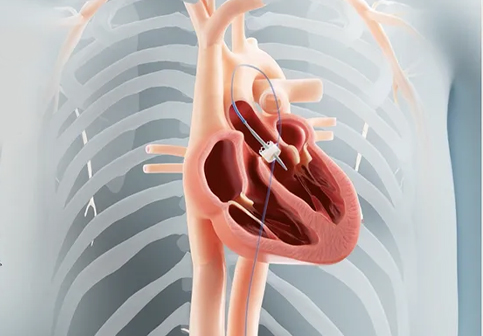
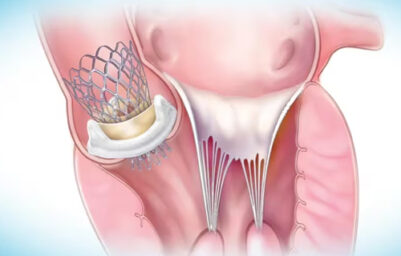
Transcatheter Aortic Valve Replacement, called TAVR, replaces a narrowed aortic valve through a small groin puncture, avoiding open-heart surgery. The valve expands inside the diseased valve and starts working immediately.

Why TAVR Matters?

TAVR restores strong, one-way blood flow from the heart, relieves breathlessness, and prevents heart-failure complications with a faster recovery than surgical valve replacement.

TAVR 2
  • Eliminates severe aortic stenosis symptoms
  • Lowers stroke and heart-failure risk
  • Short hospital stay, often forty-eight hours
  • Suitable for high-risk and moderate-risk patients
  • Enables rapid return to daily activity

Why Choose Pride Heart Institute for TAVR?

Our structural-heart team blends advanced imaging, expert operators, and dedicated aftercare to deliver outstanding success rates and minimal complications.

  • High-definition CT for precise valve sizing
  • Experienced cardiologists and cardiac surgeons working together
  • Conscious-sedation approach for patient comfort
  • Hybrid cath-lab with instant surgical backup
  • 24×7 helpline for post-procedure support

Our TAVR Process

We guide you from first evaluation to long-term follow-up with clear communication, safety checks, and swift recovery planning.

  • Pre-procedure CT, echo, and heart-team consultation
  • Groin access with local anaesthetic and light sedation
  • Valve deployment under fluoroscopy and ultrasound guidance
  • Immediate pressure and echocardiographic assessment
  • Overnight monitoring and next-day discharge plan

Our Commitment to You

Pride Heart Institute promises personalised, compassionate care before, during, and after TAVR. You receive detailed education, state-of-the-art treatment, and ongoing monitoring, empowering you to breathe easier, regain stamina, and enjoy life without the limits of severe aortic stenosis. Our team remains available for every question and follow-up, ensuring lasting confidence in your heart health.

The valve implantation itself lasts about ninety minutes. Including preparation and recovery in the cath-lab suite, the total time in the procedure room is usually two to three hours.

Most patients receive light sedation and remain drowsy but responsive. You breathe on your own and feel minimal discomfort. General anaesthesia is reserved for specific anatomical or clinical needs.

Many patients sit up within six hours and take short assisted walks the same evening. Full, unassisted ambulation typically resumes the next morning before discharge.

Current transcatheter valves demonstrate excellent durability. Clinical studies project functional lifespans of at least ten to fifteen years, similar to modern surgical bioprosthetic valves.

Continue heart-healthy habits: balanced diet, regular walking, weight control, and prescribed medicines. Attend cardiac rehabilitation if recommended and keep all follow-up appointments for echo checks and medication review.