
Shopping cart

At Pride Heart Institute, we combine cutting-edge technology with compassionate care to deliver excellence in cardiac health, community wellness, and lifelong support.

Balloon Mitral Valvoctony 2

What Is Balloon Mitral Valvotomy?

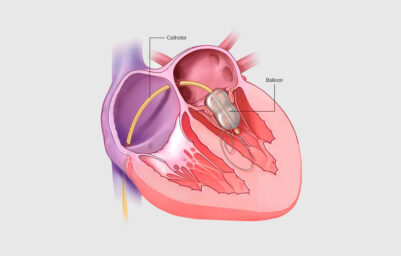
Balloon mitral valvotomy (BMV) is a catheter-based procedure that widens a narrowed mitral valve. A balloon is threaded from the groin into the heart, inflated across the valve, and separated to restore smooth blood flow.

Why Balloon Mitral Valvotomy Matters?

BMV treats rheumatic mitral stenosis without open-heart surgery, improving symptoms and long-term survival while preserving the native valve.

  • Relieves breathlessness and fatigue
  • Lowers lung pressure and risk of pulmonary hypertension
  • Avoids sternotomy and cardiopulmonary bypass
  • Shorter hospital stay and quicker recovery
  • Defers or eliminates need for valve replacement

Why Choose Pride Heart Institute for BMV?

Our structural-heart team offers advanced imaging, seasoned interventionalists, and comprehensive follow-up to deliver excellent outcomes with minimal complications.

  • 3-D echocardiography for precise valve sizing
  • Experienced cardiologists trained in high-volume centers
  • Conscious-sedation protocols for comfort
  • Real-time hemodynamic monitoring during dilation
  • Dedicated post-procedure recovery and anticoagulation clinic

Our Balloon Mitral Valvotomy Process

Each step focuses on safety, comfort, and transparent communication from admission to discharge and follow-up.

  • Pre-procedure echocardiogram and transseptal puncture planning
  • Local anesthesia and femoral-vein catheter insertion
  • Transseptal access and balloon positioning across the valve
  • Gradual balloon inflation to split fused valve leaflets
  • Immediate pressure check, echocardiographic confirmation, and same-day report

Our Commitment to You

Pride Heart Institute combines cutting-edge tools with compassionate care to restore your quality of life. We guide you through evaluation, insurance clearance, procedure day, and lifelong valve monitoring, ensuring you breathe easier, stay active, and feel supported every step of the way.

You receive local anesthesia at the groin and light sedation. Most patients feel only mild pressure during balloon inflation, followed by rapid relief of symptoms once the valve opens.

Ideal candidates have pliable, non-calcified rheumatic mitral valves, minimal regurgitation, and no left-atrial clots. Your cardiologist reviews echo scores and clinical factors before recommending the procedure.

Many patients leave within twenty-four hours after overnight observation. Complex cases or anticoagulation adjustments may require an extra day for monitoring and education.

Avoid strenuous activity and heavy lifting for one week while the puncture site heals. Most daily tasks and desk work can resume within two to three days after discharge.

You continue routine heart medicines and may need short-term blood thinners. Regular echocardiograms track valve area and detect restenosis, guiding future therapy if necessary.