
At Pride Heart Institute, we combine cutting-edge technology with compassionate care to deliver excellence in cardiac health, community wellness, and lifelong support.

Sangareddy, Telangana 502001
Contact Us
Monday - Sunday
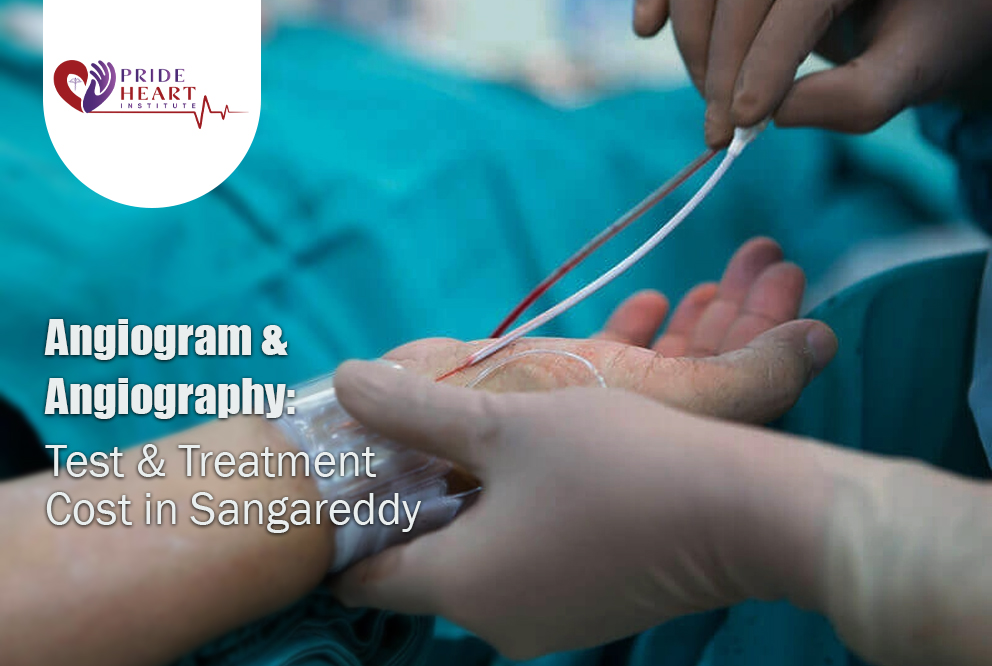
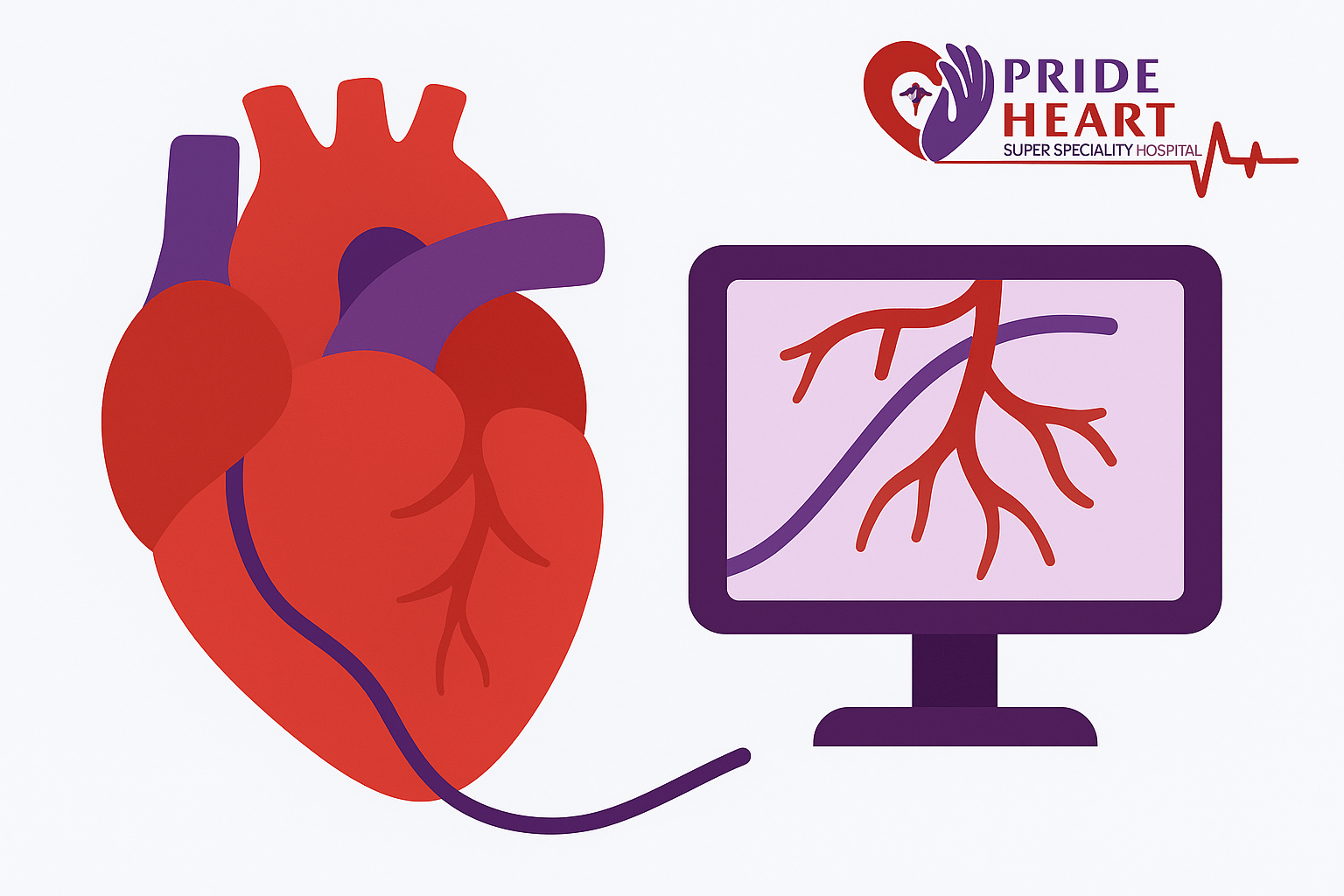
A coronary angiogram is a minimally invasive X-ray procedure that uses iodine contrast and a thin catheter to map blood flow through your coronary arteries, revealing blockages, vessel narrowing, and structural abnormalities in real time.
Coronary angiography is the gold standard for visualising blocked arteries. It pinpoints narrowing, guides stent placement, evaluates bypass grafts, and prevents heart attacks by enabling timely intervention that saves lives.
Our dedicated cath-lab team combines cutting-edge imaging systems with seasoned interventional cardiologists, ensuring precise diagnosis, low radiation exposure, and rapid decision-making for every patient we treat.
Every step is designed for comfort, safety, and clarity, from pre-procedure preparation to post-procedure monitoring and same-day discharge with clear next steps.
At Pride Heart Institute we promise transparent communication, compassionate care, and state-of-the-art technology at every stage of your angiogram journey. You benefit from lower complication rates, personalised treatment planning, and a highly responsive cardiac team ready to act the moment a blockage is found, helping you return to life with confidence and peace of mind.
You feel only a small pinch from local anaesthesia; most patients describe the catheter as mild pressure. Our staff explains each step, checks your comfort throughout, and provides pain relief if needed.
The angiogram itself takes twenty to forty minutes. With radial access many patients go home the same day after two to four hours of observation; overnight stay is reserved for complex cases.
Iodine contrast is generally safe. We pre-screen kidney function, hydrate you well, and use low-contrast protocols. Allergic reactions are rare and treated immediately with appropriate medications.
Plan for someone to drive you home. Light activity is fine the next day, but avoid heavy lifting for forty-eight hours while the puncture site heals, especially with femoral access.
If a significant narrowing appears, the cardiologist may proceed directly to angioplasty and stent placement or schedule you for surgery, depending on location, severity, and your overall health profile.